

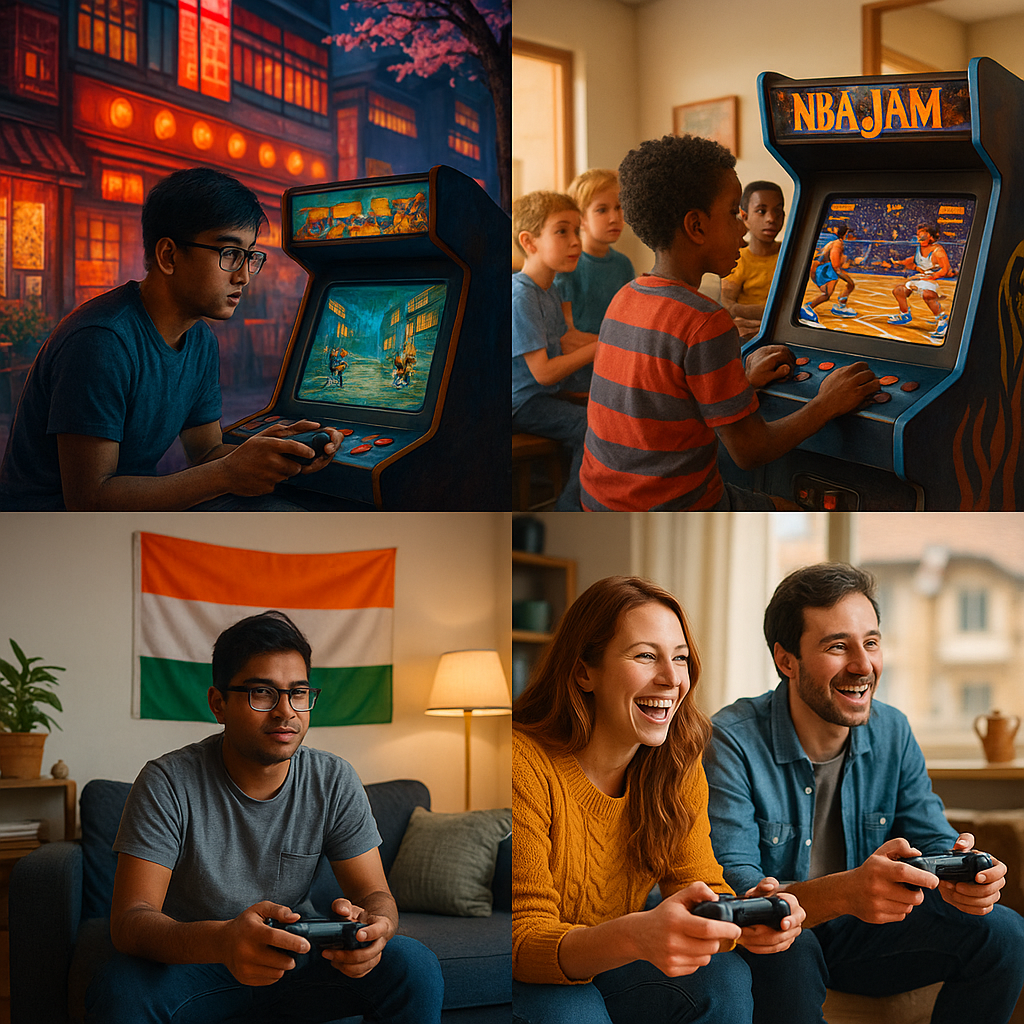
How Arcade Culture Connects People Across the Globe
In a world that often feels divided by borders, politics, and screens, arcade gaming has quietly acted as a global unifier. Whether you were queuing up to play King of Fighters in Mexico, bashing buttons in Japan over Tekken, or saving the galaxy in a U.S. mall with Galaga, arcades brought strangers together and made them friends—even rivals. This post explores how arcade culture has transcended generations, languages, and geographies to become a truly global phenomenon.
🌍 Arcades Around the World: A Common Playground
From Tokyo’s neon-lit Sega arcades to small-town game parlors in India, arcade machines have created social hubs for decades. In the 80s and 90s, these places were more than just entertainment venues—they were community centers, where players exchanged tips, challenged each other, and shared laughter.
-
Japan: Known for its high-tech, multi-story arcades packed with rhythm games, fighting cabinets, and claw machines. Titles like Street Fighter, Dance Dance Revolution, and Time Crisis still fill floors in Akihabara.
-
USA & Canada: The golden era of arcades featured rows of Pac-Man, Mortal Kombat, and NBA Jam. Malls and bowling alleys became battle grounds for teens and kids.
-
Latin America: King of Fighters reigned supreme. Even today, you’ll find street-side arcades where locals crowd around to cheer on players.
-
Europe & Middle East: Retro cafes and gaming lounges are bringing arcade culture back, blending nostalgia with modern sensibilities.
🎮 Universal Language of Pixels & Joysticks
Despite language barriers, the mechanics of arcade games are universal. Push to jump, pull to shoot, combo to win. That simplicity made them instantly playable—whether you were a tourist, a child, or a hardcore gamer.
Many players recall forming friendships without ever speaking the same language—just shared laughs and intense matches. A single round of Metal Slug or Tekken 3 was enough to form lasting connections.
🤝 Connecting Generations
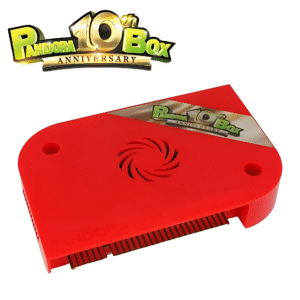
Arcades weren’t just for kids. They were multigenerational spaces. Parents taught kids how to win at Galaga. Elder siblings handed down tricks for Contra. Today, retro machines and plug-and-play consoles like Pandora Box or Raspberry Pi setups are helping families reconnect through games of the past.
Whether you’re 13 or 43, there’s a high chance you’ve yelled “FINISH HIM!” or spammed snowballs in Snow Bros at some point in your life.
🌐 Competitive Arcade Scenes: Global Battles
From local street matches to international esports, arcades laid the groundwork for competitive gaming:
-
EVO (Evolution Championship Series) began as a gathering of arcade Street Fighter fans. Now it’s the world’s biggest fighting game tournament.
-
Latin American KOF communities host underground and online tournaments even today.
-
Tekken World Tour often features players from Korea, Pakistan, Japan, and the U.S. facing off on a global stage.
It’s no exaggeration to say that arcade culture birthed modern competitive gaming.
While times have changed and arcades may not dominate malls like they used to, the spirit of arcade culture continues to thrive—in homes, online tournaments, and retro-themed cafes. Arcade machines broke boundaries and built friendships. They gave us heroes, rivalries, and stories we still remember.
So wherever you are—be it Delhi, New York, Manila, or São Paulo—arcade gaming probably left a mark on your life. Did you grow up battling your best friend at Marvel vs Capcom? Or do you now watch your kids play Turtles in Time on a home console?
Let us know in the comments how arcade culture impacted your life. And don’t forget to share this post with fellow arcade lovers—no tokens required!

Add comment